
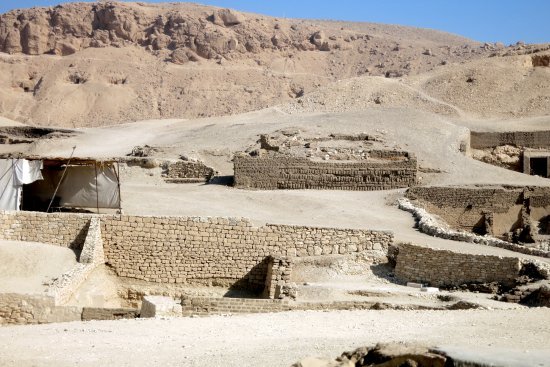
The Valley of the Nobles, also known as the Tombs of the Nobles or the Sheikh Abd el-Qurna Necropolis, is an archaeological site located on the west bank of the Nile River near Luxor, Egypt. Here's an overview of the Valley of the Nobles:
-
Location: The Valley of the Nobles is situated within the Theban Necropolis, a vast burial complex that includes the Valley of the Kings, the Valley of the Queens, and other ancient tombs and temples. It lies on the slopes of the Theban Hills, overlooking the Nile River and the temples of Karnak and Luxor.
-
Purpose: The Valley of the Nobles served as a burial ground for the elite members of ancient Egyptian society, including government officials, high-ranking priests, military leaders, and wealthy landowners. These nobles were granted the privilege of constructing elaborate tombs to house their remains and commemorate their status and achievements in the afterlife.
-
History: The Valley of the Nobles was in use from the Middle Kingdom period (circa 2055-1650 BCE) through the Ptolemaic period (circa 332-30 BCE), although the majority of the tombs date to the New Kingdom period (circa 1550-1070 BCE). During this time, the area flourished as a center of royal and religious activity, with the nearby city of Thebes serving as the capital of ancient Egypt.
-
Architecture: The tombs in the Valley of the Nobles vary in size and architectural style, ranging from simple rock-cut chambers to elaborate multi-level structures adorned with colorful paintings, reliefs, and hieroglyphic inscriptions. Many of the tombs feature courtyards, offering halls, burial chambers, and offering niches where funerary rituals and offerings were conducted.
-
Decoration: The walls and ceilings of the tombs in the Valley of the Nobles are adorned with vibrant frescoes and reliefs depicting scenes from daily life, religious rituals, agricultural activities, and the journey to the afterlife. These decorations provide valuable insights into ancient Egyptian beliefs, customs, and social hierarchy.
-
Notable Tombs: Some of the most famous tombs in the Valley of the Nobles include the Tomb of Sennefer (also known as the Tomb of the Vineyards), the Tomb of Nakht, the Tomb of Rekhmire, and the Tomb of Ramose. These tombs are renowned for their exquisite artwork and architectural features, making them popular attractions for visitors interested in ancient Egyptian history and art.
-
Conservation and Tourism: The Valley of the Nobles is a UNESCO World Heritage Site and is protected by Egyptian authorities for its historical and cultural significance. Visitors can explore several tombs open to the public, while others remain closed for conservation purposes. Guided tours and interpretive signage provide context and insights into the history and significance of the site.
Overall, the Valley of the Nobles offers a fascinating glimpse into the lives and beliefs of ancient Egyptian nobility, showcasing the artistry, craftsmanship, and religious devotion of this privileged class in their quest for eternal life and prosperity in the afterlife.


